


Industrial Enclosures
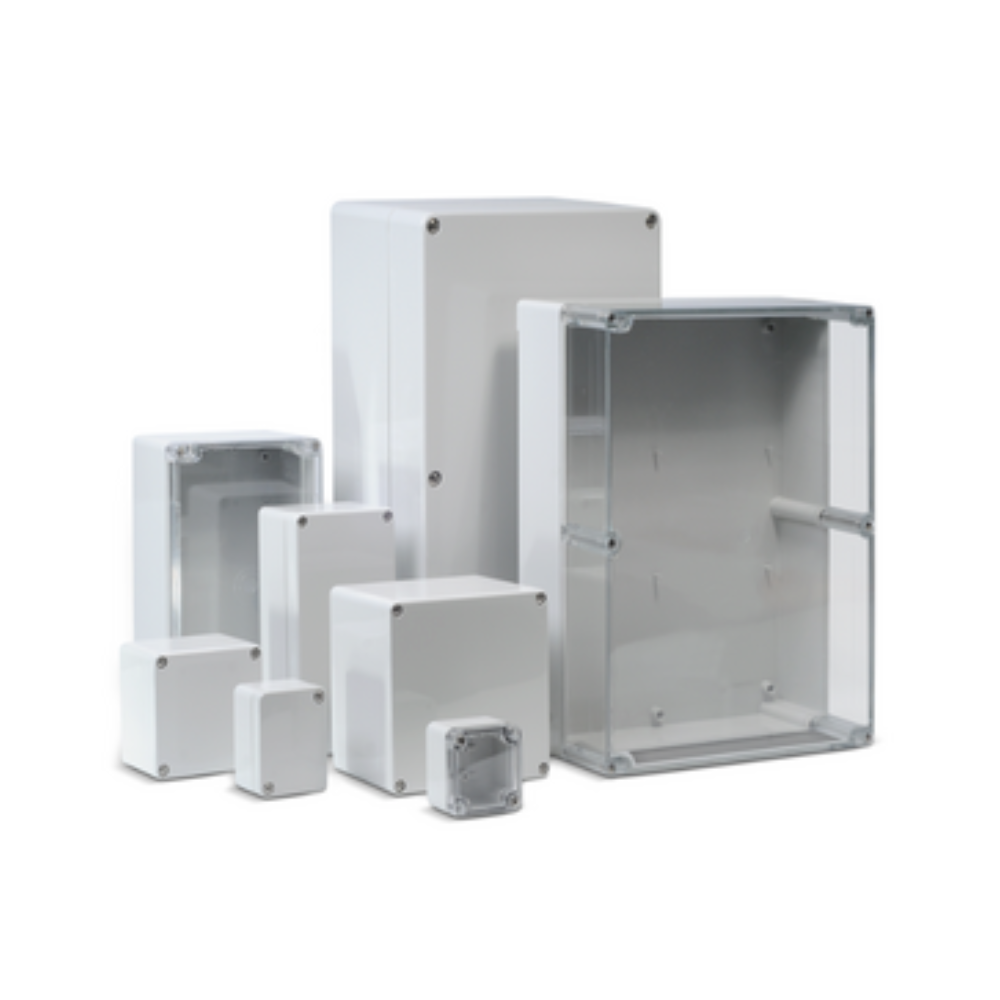
INDUSTRIAL ENCLOSURES
ACCESSORIES
Frequently Asked Questions
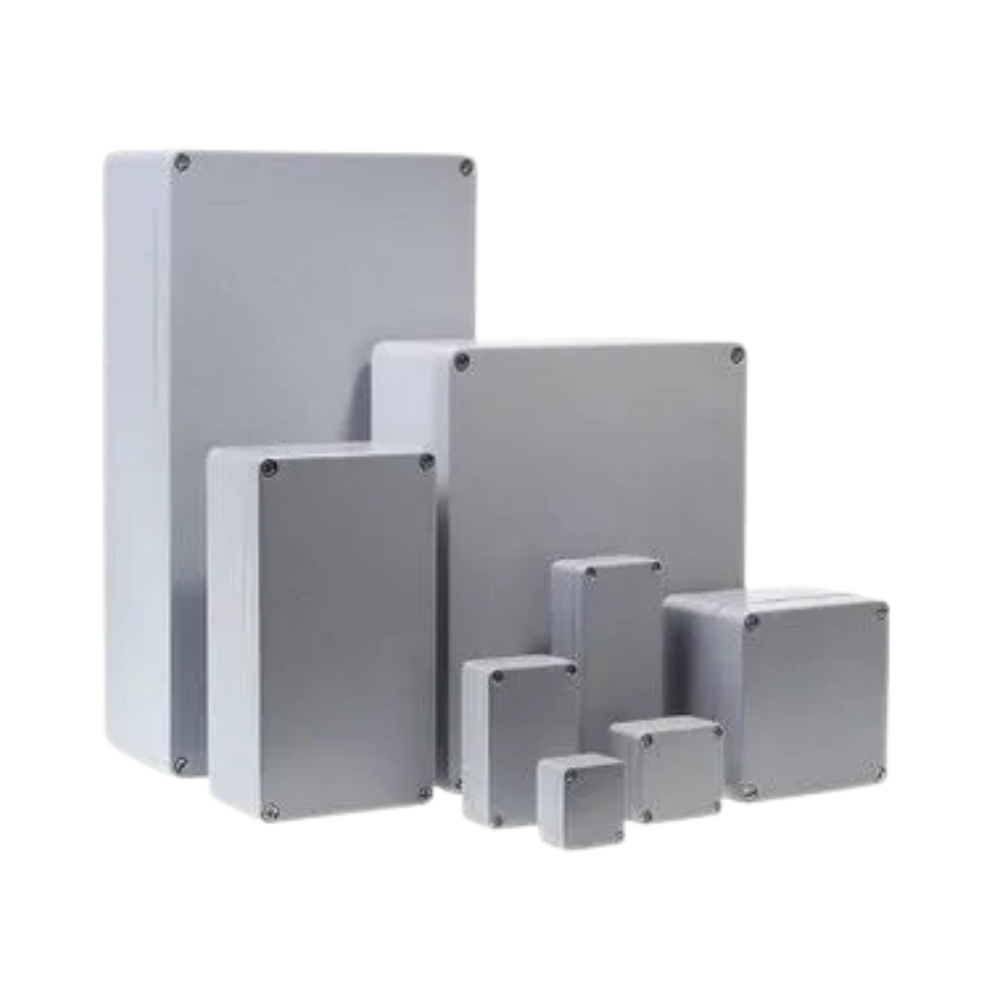
Aluminium, GRP/polyester, sheet steel, stainless steel V2A/V4A, and thermoplastic options are available.
Aluminium for robust machinery, GRP for corrosion resistance and insulation, stainless steel for hygiene/corrosion, sheet steel for control/junction boxes, thermoplastic for compact electronics.
Key GBA, GBA Ex, GBP, GBP Ex, GBS, and thermoplastic variants are stock-oriented; sheet steel and V4A are often project-based.
Yes, aluminium and GRP Ex variants are available for hazardous-area projects with project-specific documentation.
Depending on series, protection ranges from IP65 to IP66 standard, with IP67/IP68/IP69 options on selected enclosure families.
Yes, with the correct material, coating, sealing system, cable glands, and installation method.
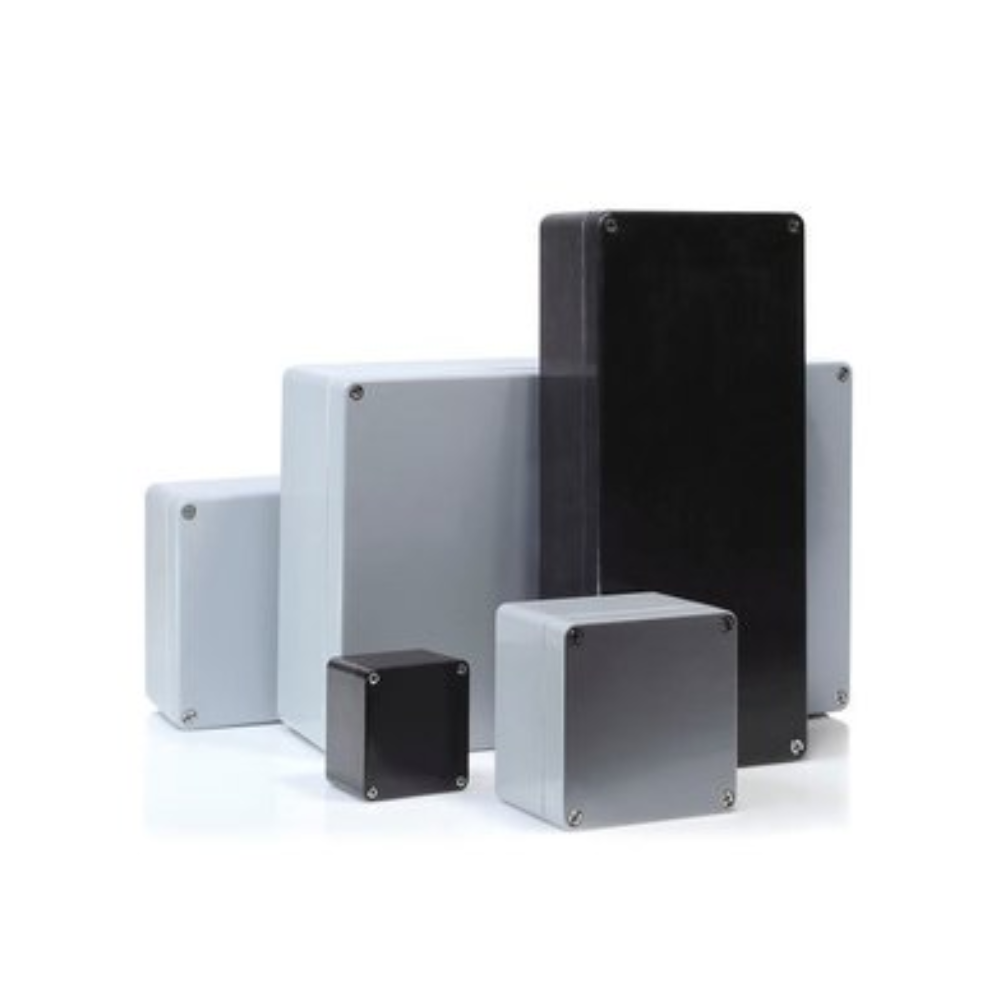
GBA aluminium housings provide high mechanical strength, corrosion resistance, IK09 impact performance, and broad size coverage.
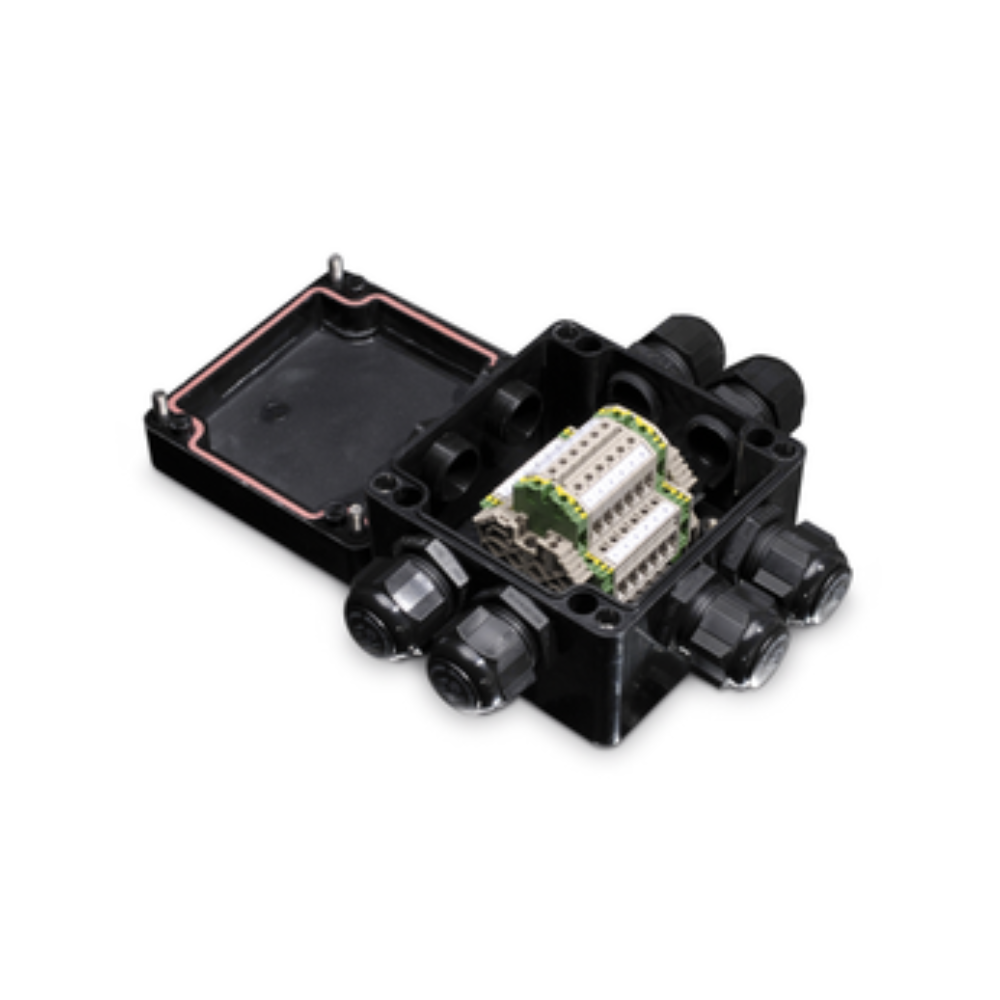
GBP GRP housings offer corrosion resistance, electrical insulation, low weight, and good performance in industrial and chemical environments.
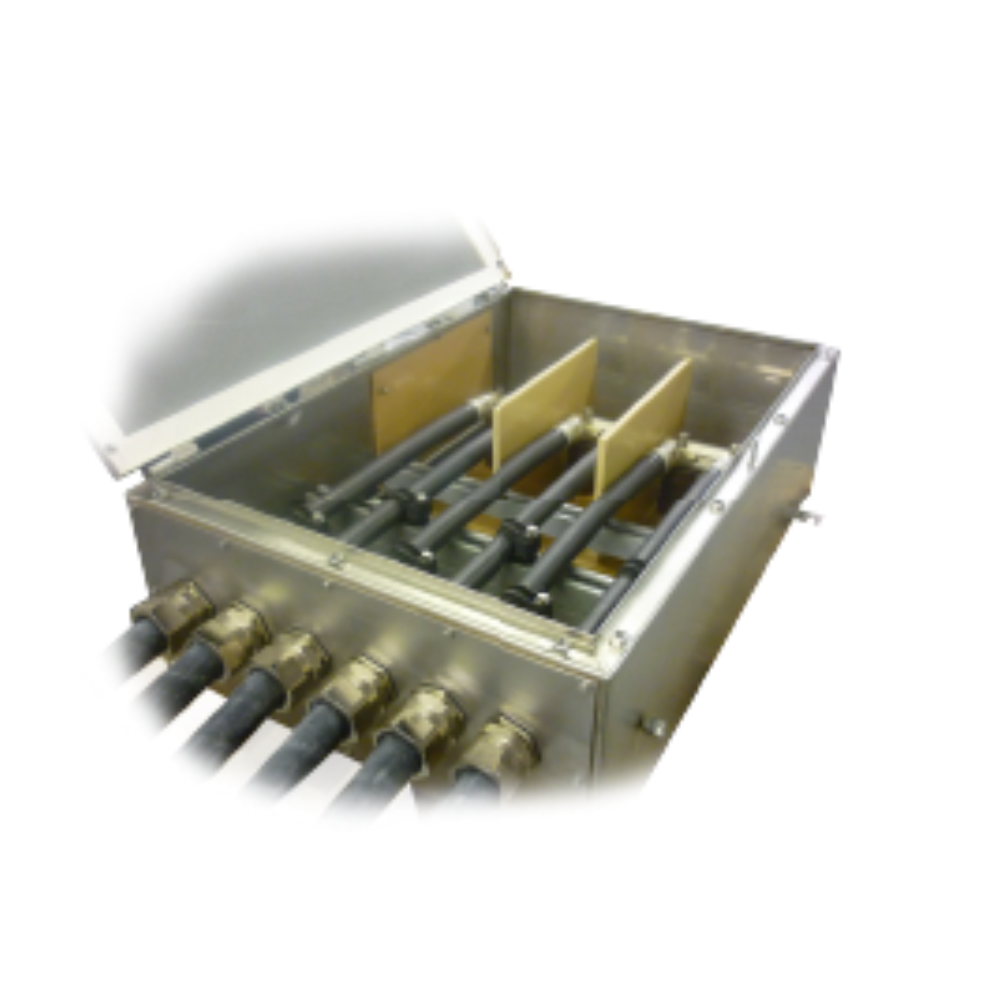
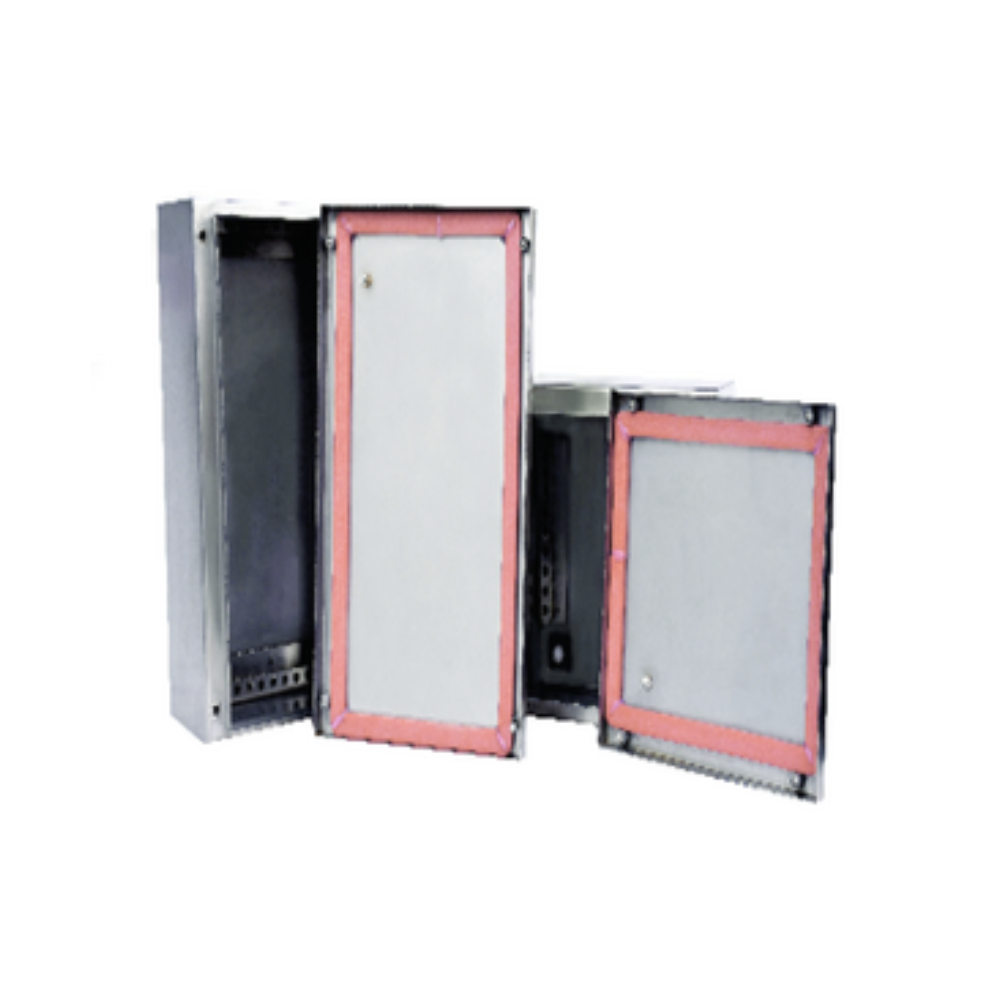
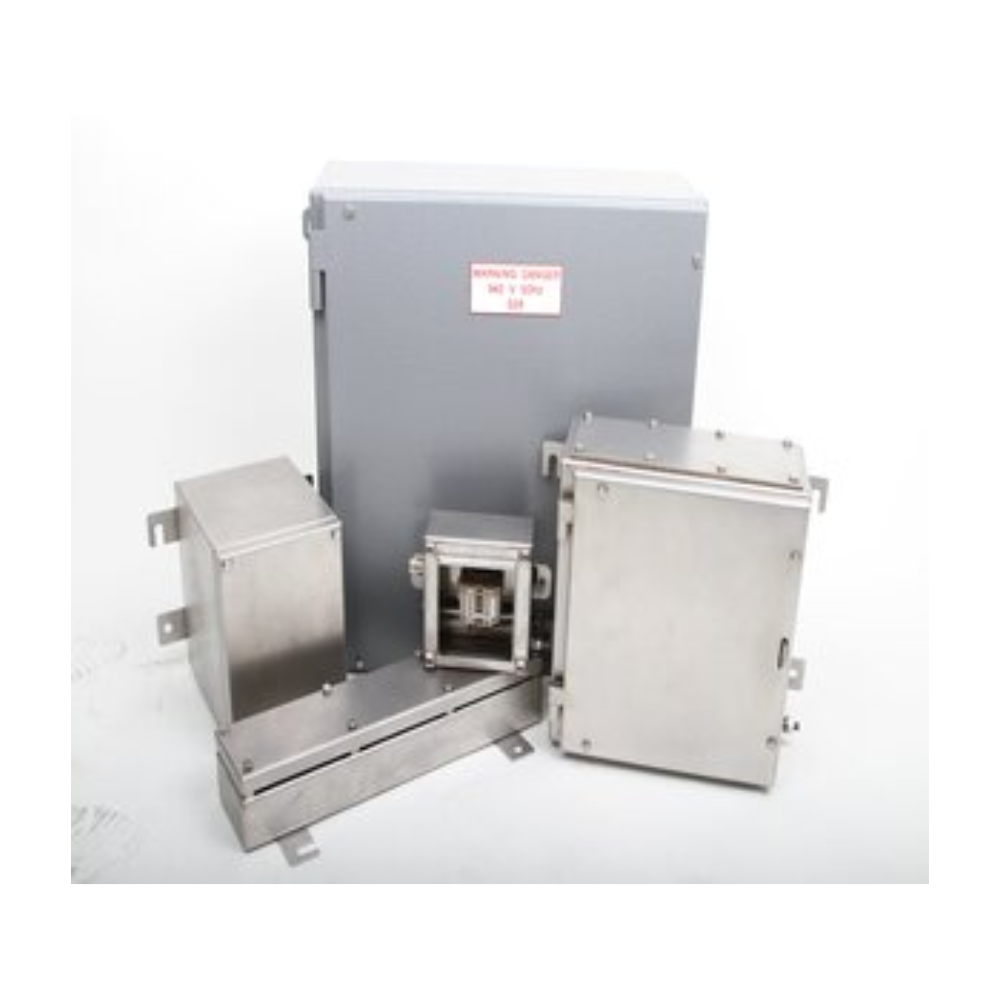
Use stainless steel where hygiene, washdown, corrosion resistance, or harsh mechanical conditions are critical.
V2A suits many industrial environments; V4A/316L is preferred for more corrosive or hygiene-sensitive applications.
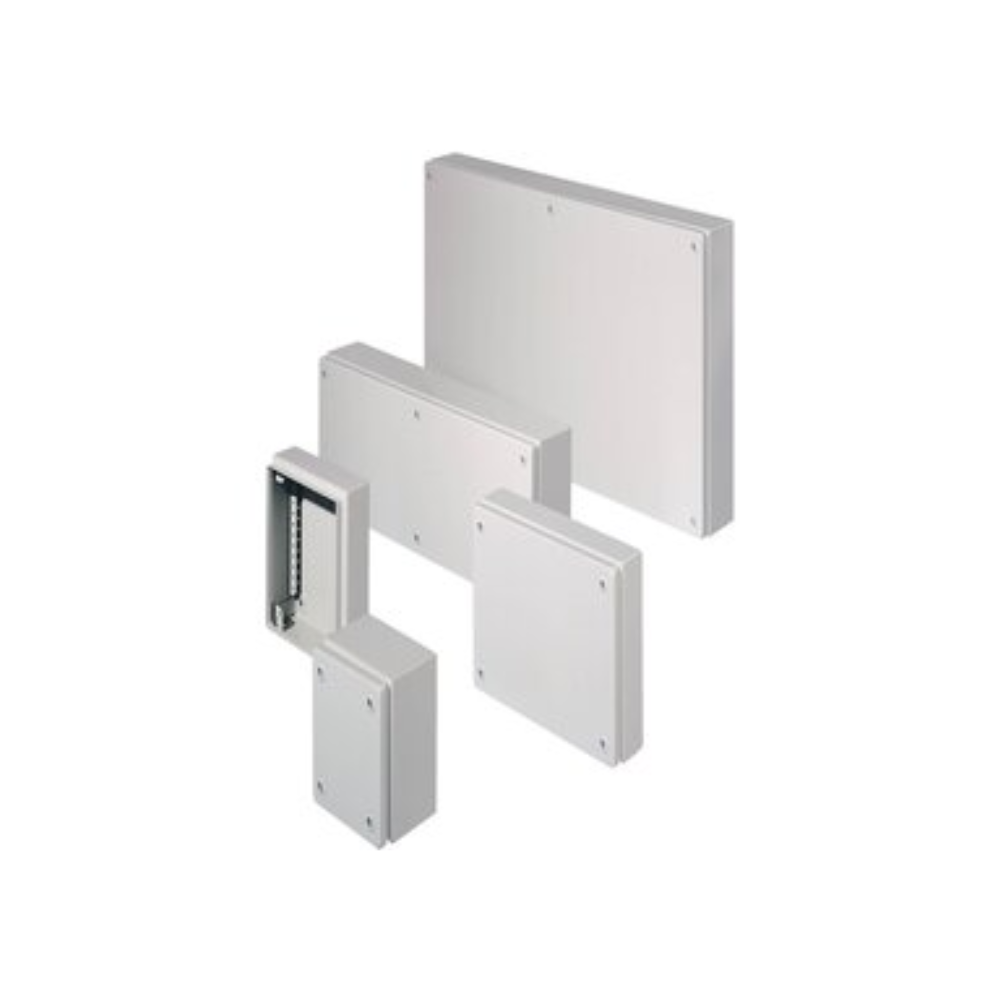
For industrial junction boxes, wiring distribution, retrofit projects, and cost-efficient control installations.
For compact electrical/electronic assemblies where low weight, insulation, and PC/ABS material benefits matter.
GBA and GBP use neoprene as standard, silicone can be ordered optionally, and Ex versions always use silicone for higher temperature capability.
Yes, EMC-oriented enclosure concepts can be combined with conductive sealing, EMC cable glands, and grounding strategy.
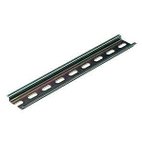
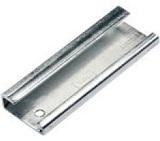
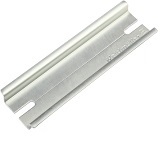
Yes, galvanized mounting plates and TS15/TS35 rail concepts support clean internal assembly.
Yes, PDF drawings and STEP models are available for engineering integration across the main enclosure families.
Yes, cut-outs, drilling, colors, mounting layouts, nameplates, and project-specific configurations can be supported.
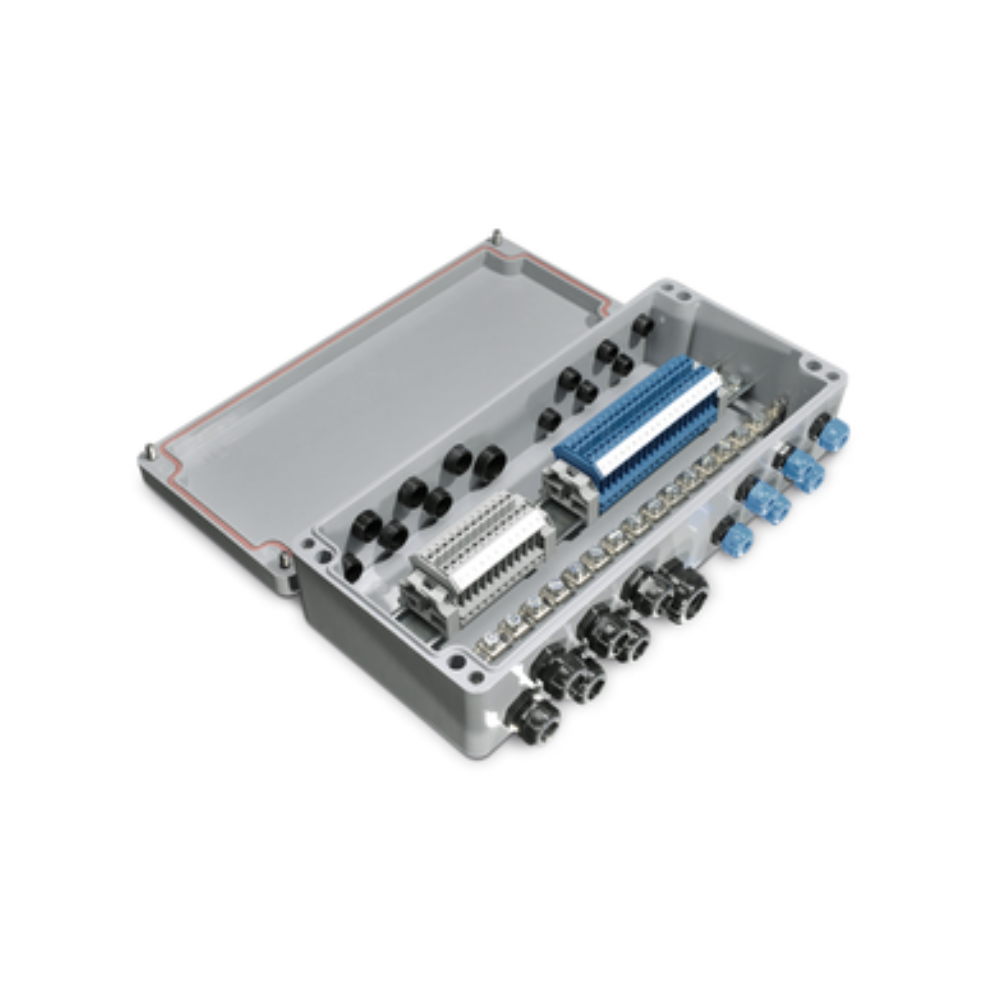
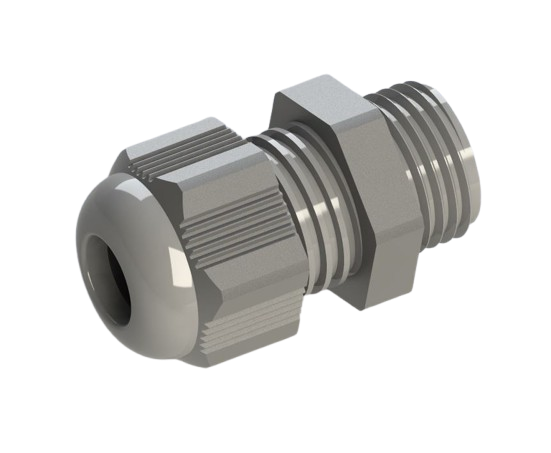
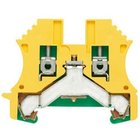
Cable glands, earthing points, terminal blocks, seals, screws, brackets, and rails create a complete installation-ready system.
Correct material selection, validated IP concept, matching cable entry, documented approvals, and CAD-supported planning.
It reduces interface risk, shortens engineering time, and improves delivery reliability for OEMs and panel builders.