


Delivering High-Quality Metal Components with Precision
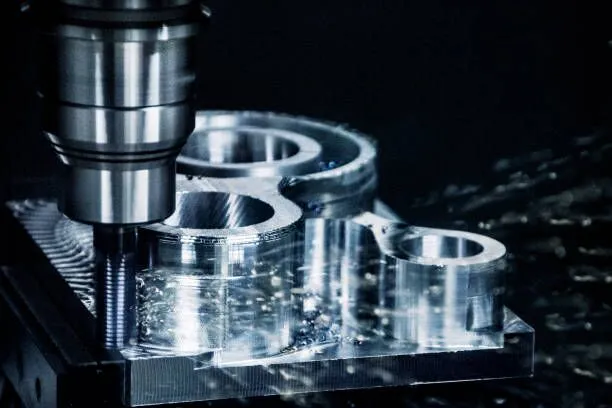
At XINDUX, we offer high-precision machining using cutting-edge CNC and VMC technology. From aerospace to electronics, our capabilities meet the strictest quality demands of complex, high-tolerance projects.
Precision Highlights
±10 μ
Tolerance
1 mm – 180 mm
Diameter Range
180 mm
Max Machining Length
Ra ≤ 0.1, Rz ≤ 1
Surface Finish
Squareness ≤ 5 μ
Geometrical Accuracy
Roundness ≤ 10 μ
Cylindricity ≤ 10 μ
Concentricity ≤ 10 μ
Versatile Machining Solutions
We offer a wide range of machining processes tailored to meet diverse manufacturing needs, delivering high-quality components with precision, consistency, and cost-efficiency.
Infrastructure Highlights
Our Capabilities
Materials Cast
Services Offered
From Design to Delivery
We ensure end-to-end quality with optional finishing layer verification and detailed surface reports. Custom coatings and welding-ready parts provided to meet environmental and assembly requirements.
Inspection
Finishing layer verification & surface reporting
Coating
Custom coating for environmental compliance
Delivery
Welding-ready or fully finished parts
Frequently Asked Questions
It covers precision machined parts, turned parts, milled parts and industrial assemblies, with a project setup focused on industrial quality, manufacturability and reliable delivery.
The service includes CNC turning, milling, broaching, threading, Traub operations, EDM, wire cutting, boring, drilling, thread rolling, grinding and super-finishing.
Key listed capability data: +/- 10 um tolerance class, 1-180 mm diameter range, 180 mm maximum machining length, Ra <= 0.1, Rz <= 1, squareness <= 5 um and roundness/cylindricity/concentricity <= 10 um.
Relevant infrastructure includes single and multi-spindle CNC turning, 3/4/5-axis VMCs, Turn-O-Mill, broaching, cylindrical grinding, EDM, wire cutting, lapping, buffing and honing.
Typical materials include aluminium, mild steel, stainless steel, brass, copper, zinc, phosphor bronze, Inconel, nickel and special alloys.
It is strongest for high-tolerance components where repeatability, surface quality and process control are commercially decisive.
Cost is optimized by matching the process to geometry, quantity, tolerance, material behavior and required post-processing before release.
Risk is reduced through early design review, process selection, tolerance review, tooling/manufacturing planning and alignment of inspection requirements.
Yes. Design-for-manufacturability review can identify geometry risks, avoid unnecessary tolerance cost and improve first-pass production quality.
Yes. The service setup supports early prototypes, validation batches and scalable production, depending on process and tooling route.
Quality control can include datum strategy, tolerance stack-up control, surface finish checks, dimensional inspection and finishing layer verification.
Yes. Available post-processing or delivery options include rapid prototyping, small to large batch production, coating, assembly-ready delivery and fully finished parts.
Yes. Depending on the project, parts can be supplied post-processed, inspected, coated, machined, welding-ready or ready for final assembly.
It reduces supplier fragmentation by combining technical process knowledge, production capability and finishing/inspection options under one coordinated supply chain.
Engineering teams receive clearer process boundaries, manufacturability feedback, CAD/CAM or tooling input and a more realistic path from drawing to production.
Material grade, annual quantity, tolerance class, critical dimensions, surface finish, test requirements, delivery condition and target application should be clarified.
STEP or native 3D data, 2D PDF drawings, material specifications, quantities, finish requirements and inspection standards should be provided.
Lifecycle cost is reduced by selecting the right process early, avoiding over-tolerancing, planning finishing correctly and reducing rework between suppliers.
Yes. It can be combined with machining, surface treatment, tooling, casting, forging, sheet metal fabrication or assembly, depending on the component route.
OEMs gain a technically guided manufacturing route with fewer interfaces, better process compatibility, stronger quality control and faster movement from concept to delivery.